
Emergency dentist Telford
Toothache, swelling, broken teeth or lost fillings? We’ll prioritise urgent care, relieve pain quickly, and explain the next best step.
- Fast assessment to identify the cause and get you comfortable.
- Honest advice on whether you need treatment today or a planned follow-up.
- Clear costs and options — focused on saving your tooth where possible.
Quick facts
Emergency dentistry, at a glance
We focus on fast pain relief, treating infection or damage, and a clear plan for next steps — whether that’s same-day treatment or a short follow-up once you’re comfortable.
What it is
Emergency dental care, explained.
A dental emergency is usually pain, swelling, bleeding, or a sudden break that needs prompt care. Our priority is to get you comfortable, identify the cause, and stabilise the tooth or gums. That might mean same-day treatment, or a short follow-up once you’re out of pain. If you need an emergency dentist in Telford, we’ll guide you clearly through what’s happening and what to do next.
-
Relieve pain quickly Numb, calm inflammation, and make chewing comfortable again.
-
Treat infection or swelling Find the source and reduce the risk of it spreading.
-
Save the tooth when possible Repair, stabilise, or plan the best long-term option.
-
Clear next steps Simple advice and a plan, with costs explained upfront.
Toothache and swelling can worsen quickly. Early assessment is often simpler — and can help prevent infection spreading, protect the tooth, and reduce the chance you need more complex treatment later. We’ll examine you, take X-rays if needed, and recommend the safest, simplest option to get you comfortable.
What happens at an emergency dentist appointment?
Assessment
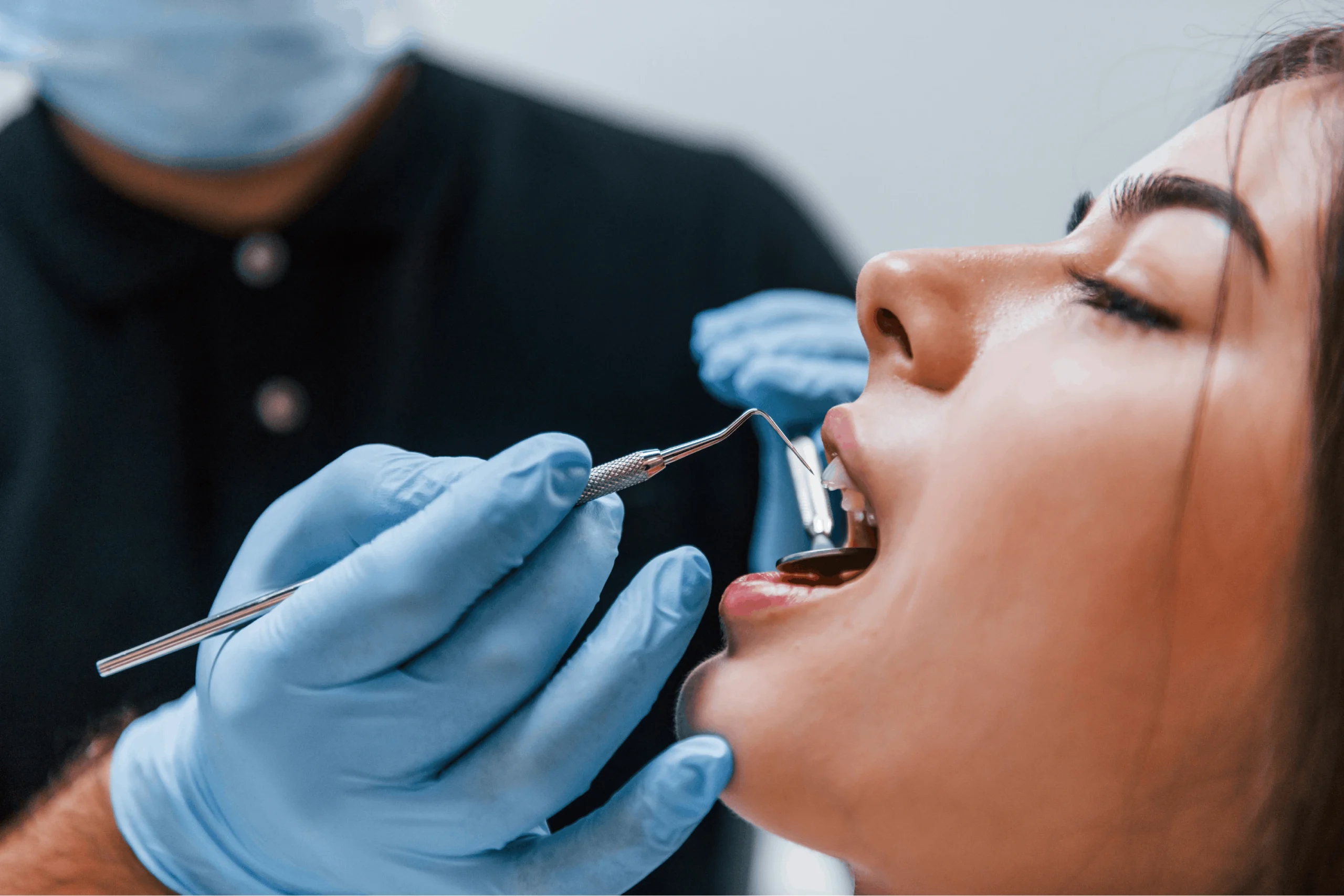
We listen to your symptoms, examine the area, and take X-rays if needed to confirm what’s causing the pain or swelling. Then we explain what’s going on in plain English and outline the quickest, safest way to get you comfortable.
Know your options
Emergency consultations vs regular check-ups.
If you’re in pain, swelling, or you’ve broken a tooth, an emergency appointment focuses on fast diagnosis and relief. Regular check-ups are preventive — they help catch problems early and keep everything stable over time.
We prioritise pain relief and stabilising the problem, then plan any follow-up treatment.
Fast help when something hurts.
An emergency dentist consultation is designed to get you out of pain, diagnose the cause, and prevent things getting worse. We’ll assess the tooth or gum problem, take X-rays if needed, and recommend the quickest safe option.
-
When it’s recommended Toothache, swelling, trauma, broken teeth, lost crowns/fillings, bleeding, or suspected infection.
-
What the appointment focuses on Diagnosis, pain relief, and immediate stabilisation — then a clear plan for next steps.
-
What you’ll leave with Reduced symptoms and a practical follow-up route (e.g., root canal, repair, or extraction).
Routine check-ups spot issues early, helping you avoid pain, bigger treatments, and surprises.
Keep small issues small.
Regular dental check-ups help you stay ahead of decay and gum disease. We check teeth, gums, bite, and existing dental work, and take X-rays when needed — so problems are caught early, while they’re simpler to treat.
-
When it’s recommended Routine reviews (often every 6–12 months) or as advised for your risk level.
-
What the appointment focuses on Prevention, early detection, and tailored advice to keep teeth and gums healthy.
-
What you’ll leave with Clear findings, a preventive plan, and early treatment options if anything is starting.
Good to know
Emergency dentist FAQs
Straight answers to common questions about emergency dentist Telford — what counts, and what to do.
A quick overview
Assess symptoms, diagnose fast, relieve pain, stabilise the tooth, plan follow-up.
01 What counts as a dental emergency?
Anything that risks worsening pain, infection, or damage should be assessed quickly.
- Toothache that keeps you awake or is getting worse
- Facial swelling, gum swelling, or a bad taste/pus
- Broken tooth, trauma, or a knocked tooth
- Lost crown/filling with pain or sharp edges
- Bleeding that won’t stop
If you’re unsure, contact us and we’ll advise the safest next step.
02 How quickly can I be seen for an emergency?
We aim to see urgent problems as soon as possible. The best approach is to call early so we can triage and advise.
If you have swelling, fever, difficulty swallowing, or trouble breathing, seek urgent medical care immediately.
03 What happens at an emergency appointment?
We focus on diagnosis and relief.
- Examination and X-rays if needed
- Pain control and stabilising the tooth or gums
- Clear explanation of the cause and next steps
Sometimes we can complete treatment the same day; other times we plan a follow-up visit.
04 What should I do before I come in?
Keep things gentle and avoid making the area worse.
- Rinse with warm salt water
- Avoid chewing on the sore side
- If a tooth is broken, cover sharp edges with sugar-free gum
- Bring a list of medications and any relevant medical details
We can advise safe pain relief options when you contact us.
05 Can you treat swelling or infection?
Yes — we’ll assess the cause and recommend the safest way to settle it.
Depending on the source, that may involve drainage, cleaning, stabilising the tooth, or planning treatment such as root canal or extraction.
If symptoms are severe or spreading, we’ll advise urgent medical support.
06 What if my crown, bridge, or filling comes out?
Contact us — we’ll advise whether it needs urgent attention.
- Keep the area clean and avoid sticky/hard foods
- If it’s sharp or painful, don’t chew on that side
- Bring the crown/bridge with you if you still have it
We’ll assess the tooth and help stabilise it until a repair or replacement is completed.